
CARBON FOOTPRINT
FOLLOW THE STEPS OF TTS TOWARDS
A CLEANER FUTURE

A cleaner future? It's in our hands
Environmental protection starts with awareness:
understanding where the largest greenhouse gas emissions take place, and the amount is essential to plan and carry out specific actions to combat global warming and promote sustainable development.
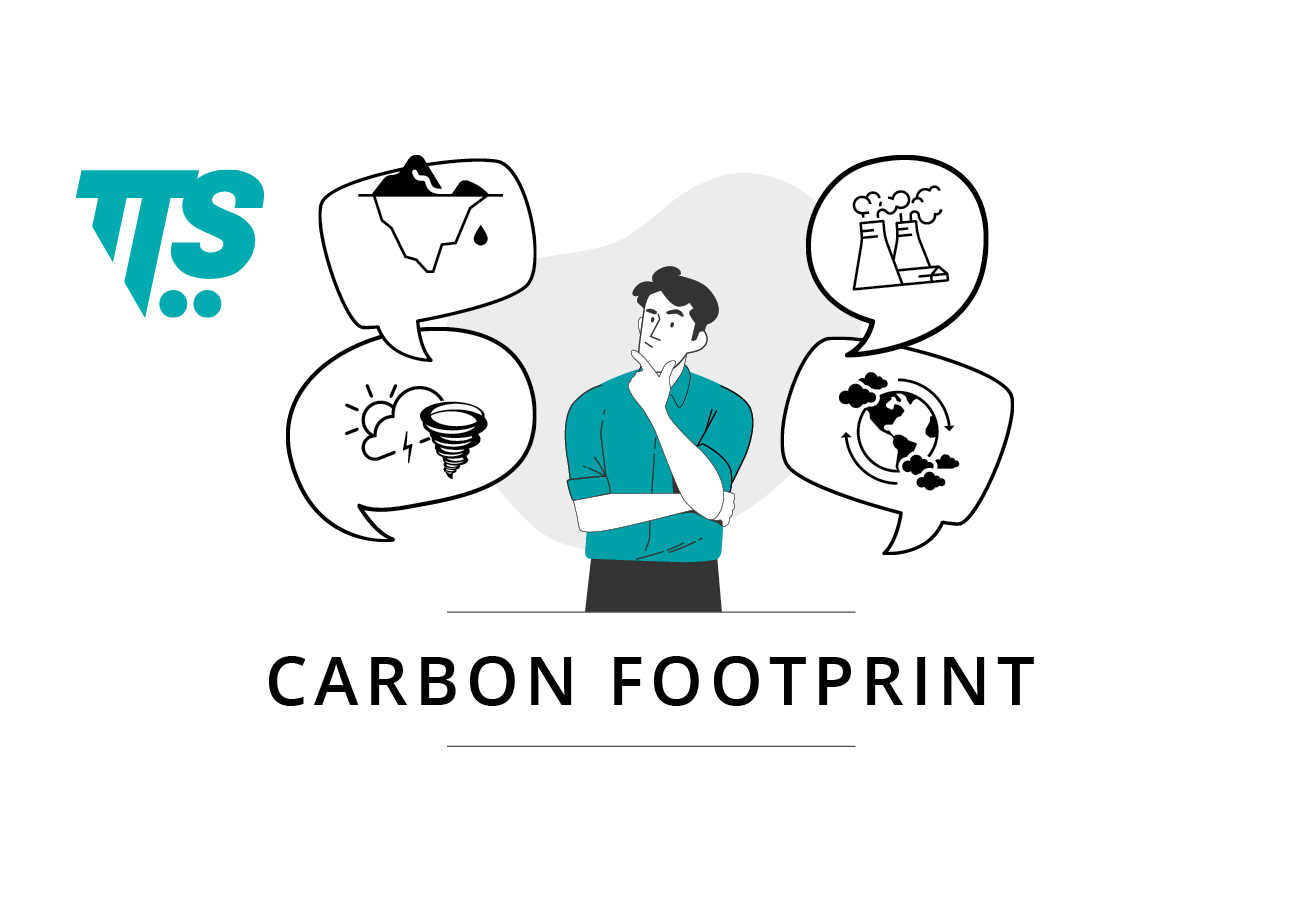
Duration: 02:50
What does "Carbon Footprint" mean?
You've probably been hearing a lot about climate change and how you should reduce your carbon footprint.
But what is that exactly?


Carbon footprint
TTS has developed a system for the quantification of greenhouse gas emissions for each phase of the product life: in this way, it is possible to identify the most critical phases, implementing concrete actions aimed at reducing CO2e.
The work carried out has made it possible to achieve an important goal: TTS is one of the first companies in the world to have obtained the certification of the Carbon Footprint Systematic Approach implemented.


Carbon neutral
In 2019 TTS has started a long-term compensation programme to fully absorb the emissions associated with the annual production of Magic trolleys thus making it the first carbon neutral trolley line.
A concrete gesture in support of important projects of responsible environmental management that not only allows the absorption of countless tons of CO2 but also helps to safeguard endangered ecosystems, protect biodiversity, and protect the work of local communities.
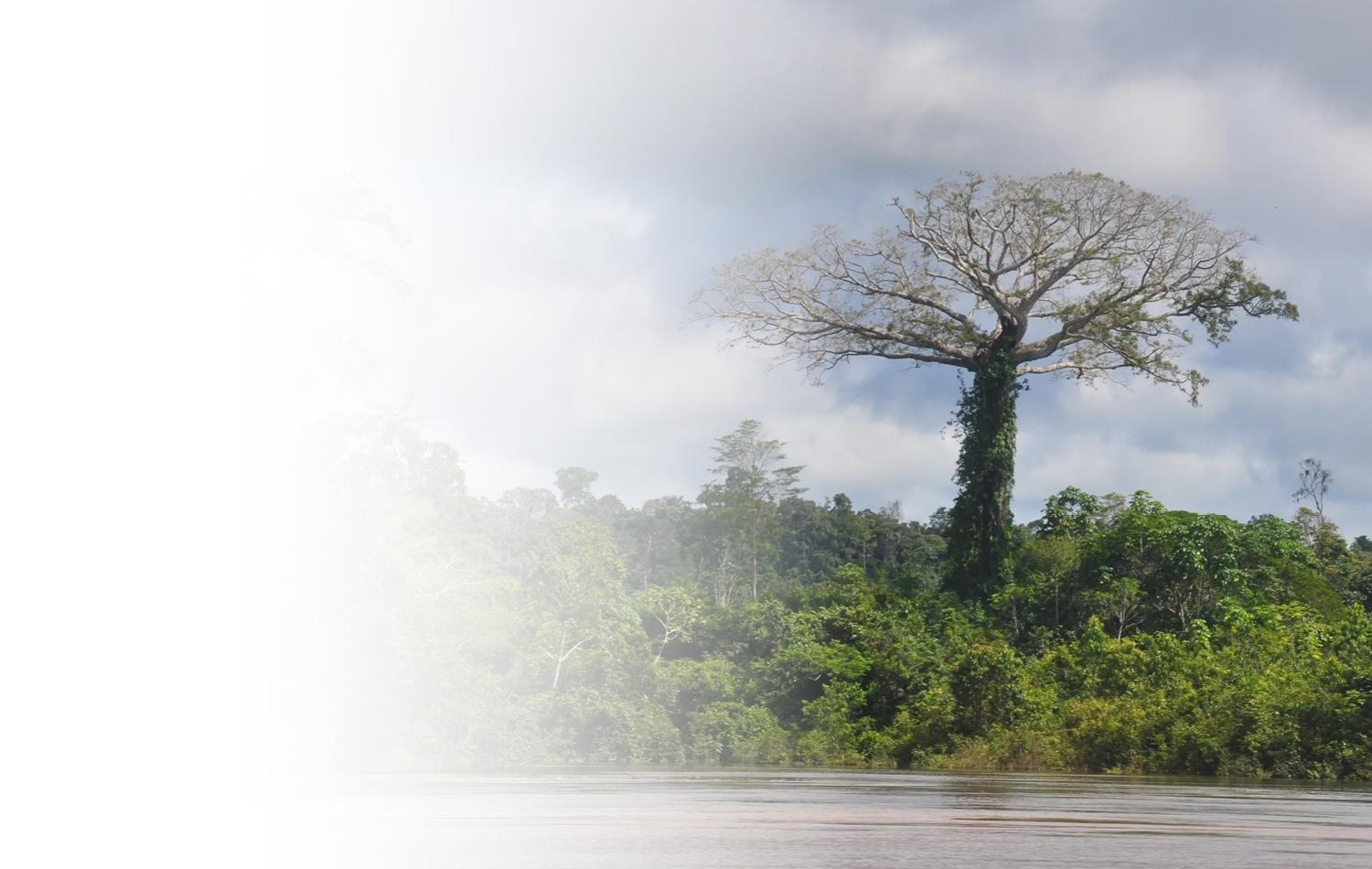

2024 | TTS SUPPORTS ENVIRA AMAZONIA
TTS contributes to combating deforestation, which has been threatening the Brazilian Amazon rainforest for decades. The rainforest is recognised by UNESCO as a World Heritage Site and is listed among the New Seven Wonders of the Natural World.
The project, certified according to the Verified Carbon Standard and the Climate, Community & Biodiversity Standards and aligned with the United Nations 2030 Agenda Goals, aims to protect over 200,000 hectares of forest. The actions implemented will prevent and capture more than 1,259,000 tonnes of CO₂e per year, while protecting around 400 animal species and 30,000 plant species.
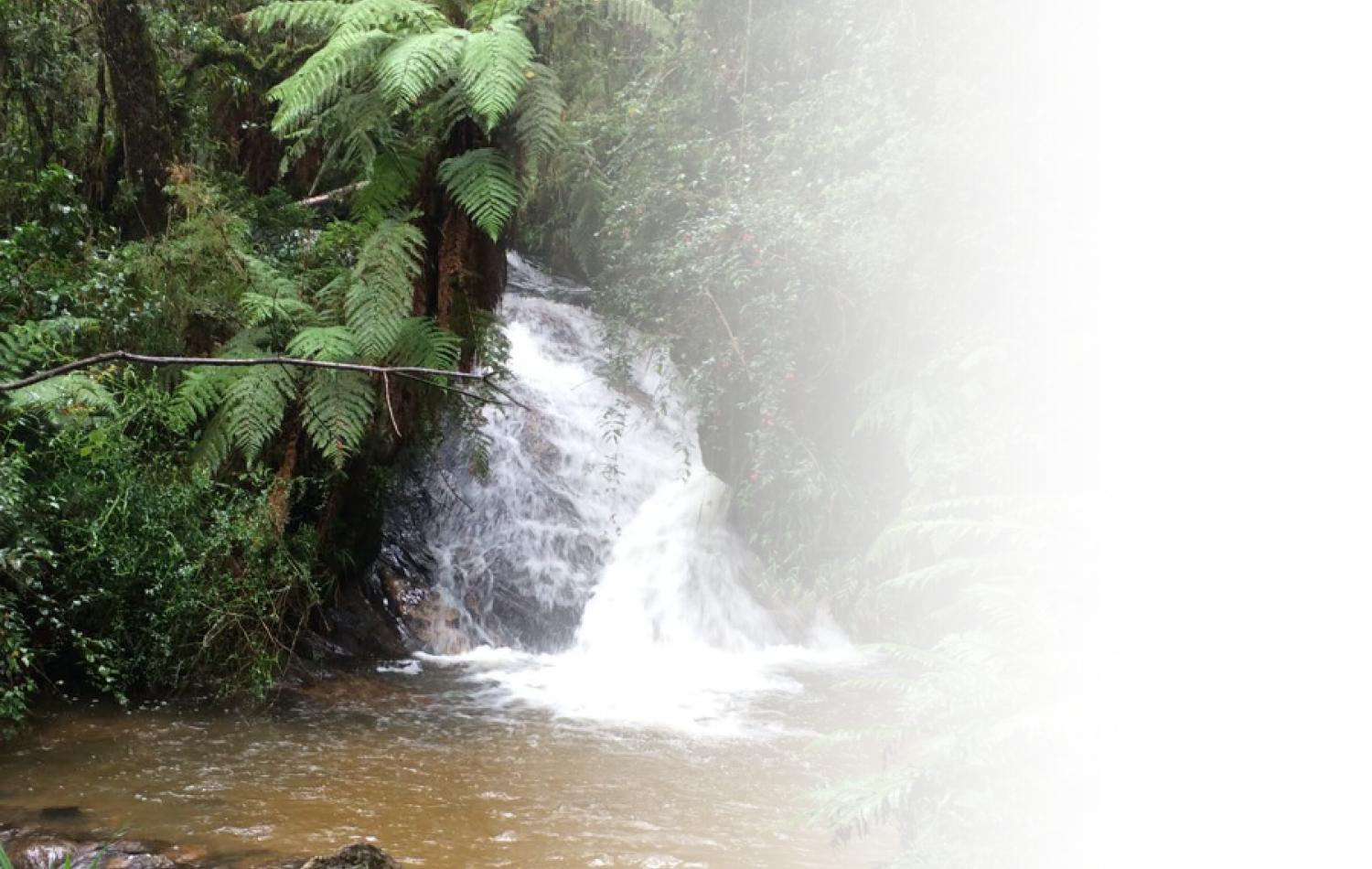
2024 | TTS SUPPORTS FSCECP
TTS contributed to the construction of a hydroelectric power plant in the Brazilian region of Paraná capable of producing 1,229 MWh of clean energy annually, making it accessible to all residents in the area. The initiative, certified according to the Verified Carbon Standard, reduces dependence on fossil fuels and avoids over 265,000 tonnes of CO₂e each year.
The supported project is part of the United Nations 2030 Agenda Goals: the FSCECP plant promotes access to sustainable and modern energy, fosters lasting and inclusive economic growth, and contributes to the fight against climate change.
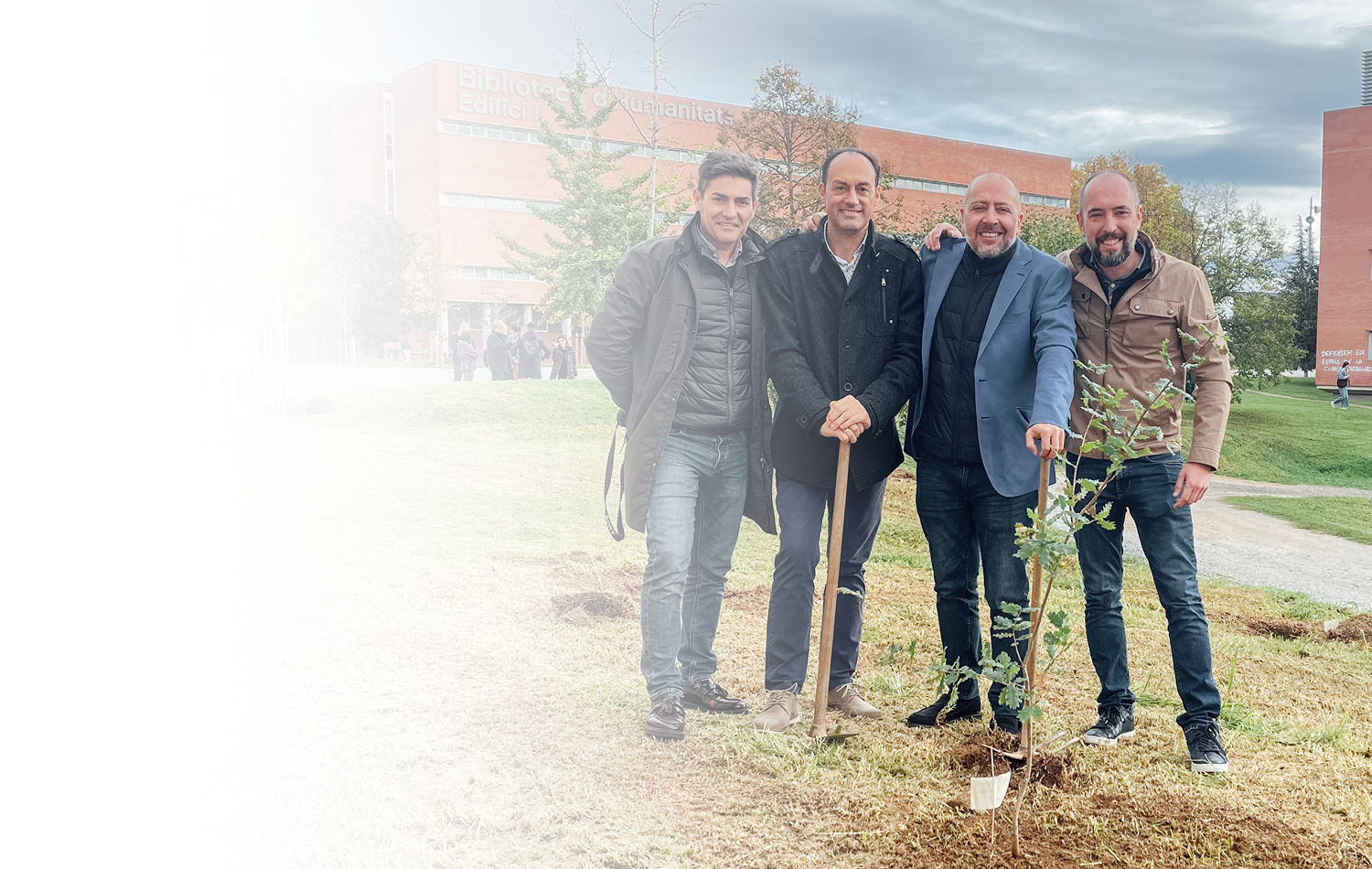

2024 | TTS SUPPORTS UAB BARCELONA
TTS has chosen to play its part in the creation of an urban forest on the campus of the Autonomous University of Barcelona (UAB). The forestation project is part of the UForest project supported by the European Commission and involves the planting of young trees and shrubs from certified nurseries and subsequent maintenance up to five years after planting.
The selected species attract pollinating insects and small birds favouring biodiversity and contribute to the creation of a climatic shelter capable of mitigating the heatwaves that are hitting with increasing frequency and intensity due to climate change.
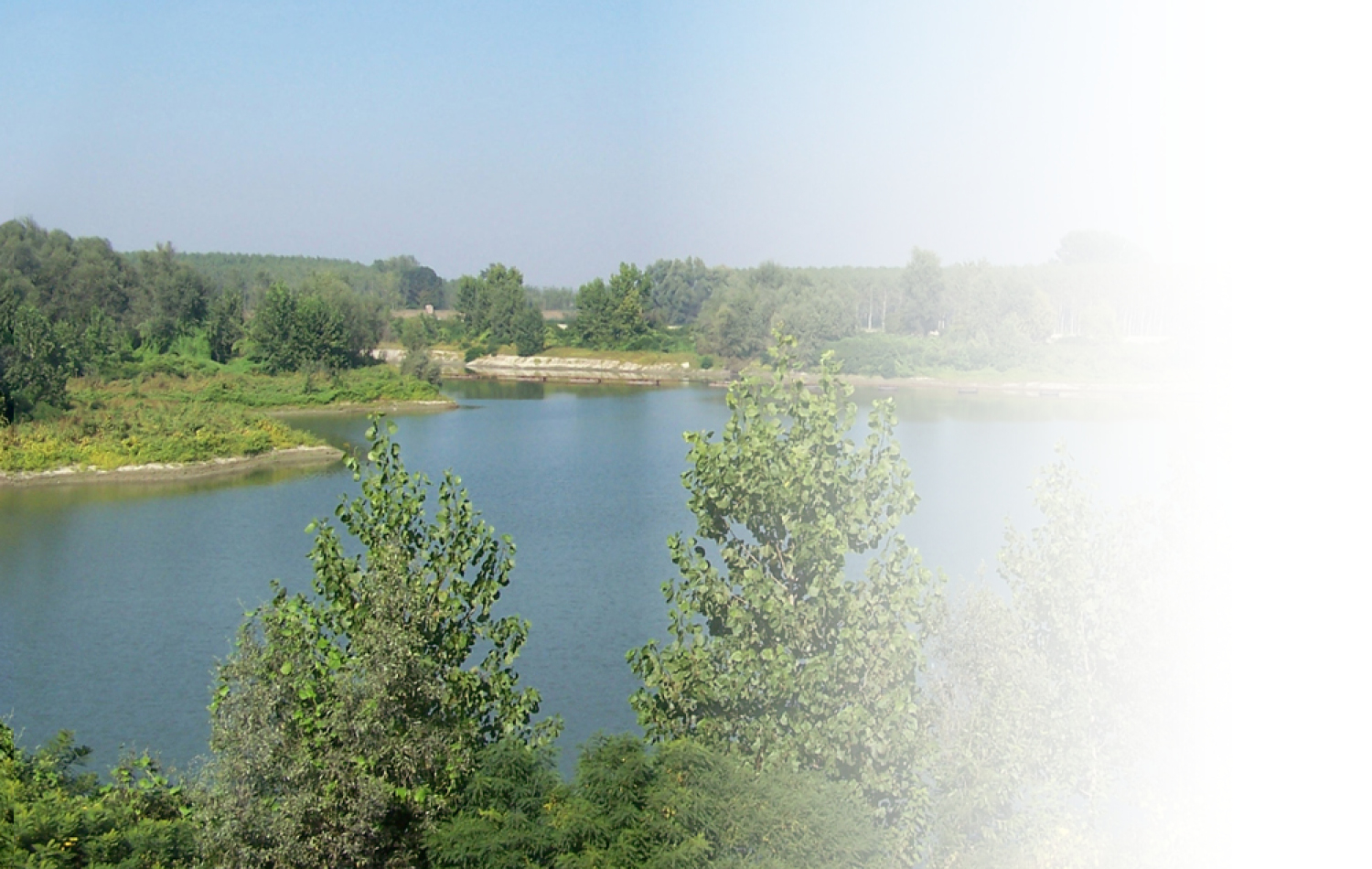
2024 | TTS SUPPORTS PO RIVER WOODS
TTS contributes to countering the loss of biodiversity that threatens the young woods between the provinces of Cremona and Mantua by means of forest protection and improvement measures that result in the capture and conservation of 520 tonnes of CO2 , the greenhouse gas that contributes most to global warming.
The project supported by TTS aims to safeguard forest areas managed in compliance with Forest Stewardship Council (FSC®) standards, with the goal of creating and maintaining an environment rich in biodiversity and welcoming to wildlife.
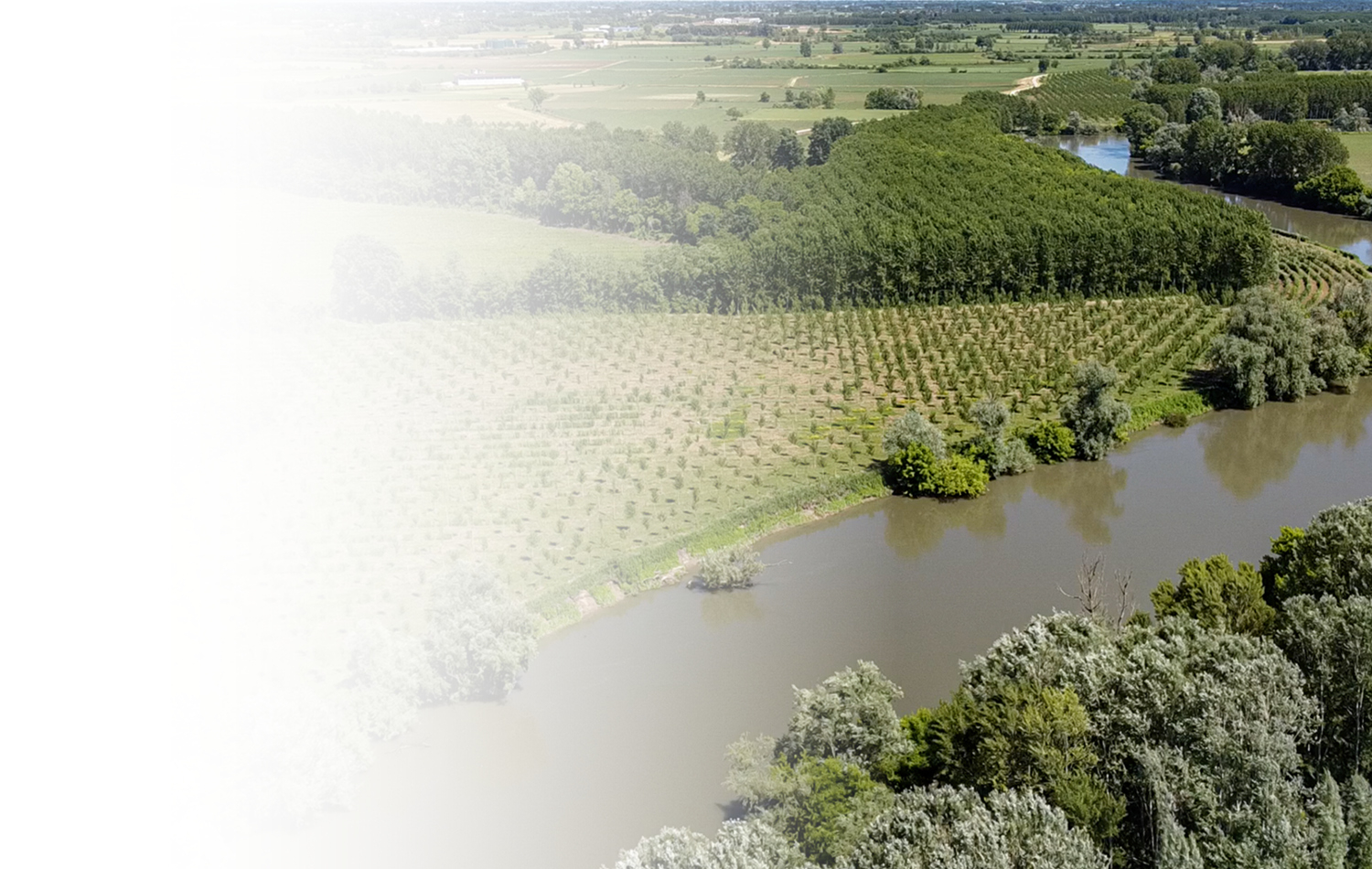

2023 | TTS SUPPORTS PARCO OGLIO SUD
TTS takes care of the Southern Oglio River Park by contributing to forestry and biodiversity support.
Interventions range from the planting of native species and the improvement of existing forests to the redevelopment of an oxbow environment of great biodiversity value, in which more than 800 species of animals dwell.
TTS is thus helping to protect and enhance one of the few remaining wetlands in the Po Valley, home to important nature reserves and refuge for rare or endangered species such as the Lataste frog.

2021 | TTS SUPPORTS BOSCO BELVEDERE
TTS contributes to the conservation, enhancement and development of Belvedere, an urban forest that is responsibly managed in accordance with the strict environmental, social and economic standards of the Forest Stewardship Council (FSC®).
The intervention carried out promotes the natural regeneration of the lowland forest, improves the resilience of the ecosystem and counteracts the risk of fire, allowing oaks and hornbeams to absorb 650 tonnes of CO2 each year. TTS's contribution has also made it possible to return clean, safe and freely accessible paths to the community.
2020 - TTS SUPPORTS AMAZONBAI
TTS supports the good management of the Amazon forest by helping the AmazonBai community living at the mouth of the Amazon River, in the Bailique archipelago.
AmazonBai respects the natural cycles of the forest by harvesting and processing the products that nature provides: in particular, AmazonBai produces açaí, a palm tree whose berries are in great demand in the cosmetics and superfood sectors.


Archipelago Bailique | Amapá, Brasil
Thanks to the support of TTS, local communities can improve conservation of areas of environmental value, rich in biodiversity and essential for the capture and conservation of CO2.
The support of TTS also allows AmazonBai to continue its fight against the worst enemies of the forest which are fires, illegal logging, and the expansion of agricultural crops.

2019 | TTS SUPPORTS NATURA7
TTS has chosen to cooperate with Natura7, a responsible management project that protects and cares for several mountain areas in northern Italy, whose forests promote biodiversity, combat hydrogeological instability, and protect our health by capturing PM10.
More precisely, TTS has contributed to the reforestation of Ralser, a centuries-old forest affected in 2018 by Cyclone Vaia after having improved air and water quality for hundreds of years: the result is new life that allows the absorption of 500 tonnes of CO2 per year, equivalent to the average annual emissions of 250 cars.
