Sustainability through the washing machine
Five grams of plastic: this is what we ingest on average every week according to a study conducted by the University of Newcastle (Australia) on behalf of WWF.
Five grams of plastic: this is what we ingest on average every week according to a study conducted by the University of Newcastle (Australia) on behalf of WWF. Microplastics are invading our seas at a rate of 75,000 to 300,000 tonnes per year in Europe alone, partly re-entering the food chain through what we eat and drink. They also reach what we breathe, with yet little known health effects.
The causes that produce these small fragments can be many: from the degradation of plastic waste to the abrasion of tyres while driving and even the deterioration of synthetic fibres when washing clothes and cleaning textiles in the washing machine.
Using cloths and flat mops that are not only effective but also eco-sustainable is an important step to limit potential impacts. Microfiber is undoubtedly the best solution in terms of effectiveness and efficiency, but it is essential to choose quality and truly sustainable products to achieve excellent cleaning without compromising the environment.
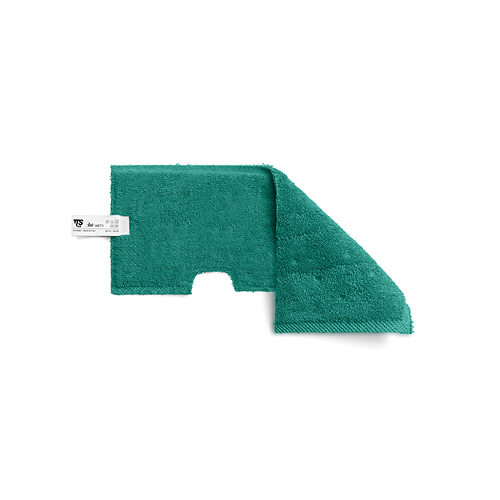
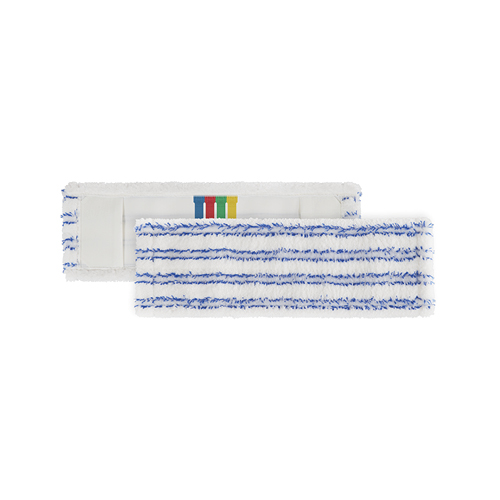
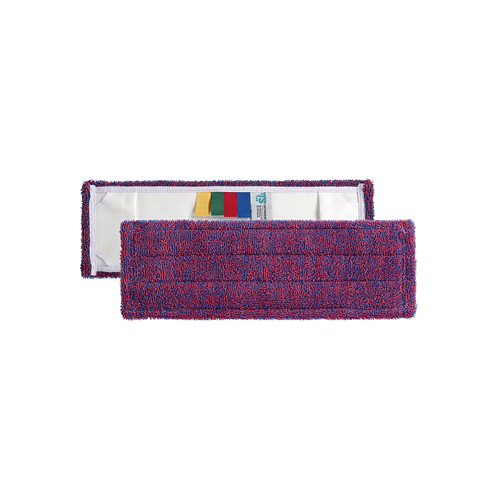
Not all microfibres are the same and it is thus right to ask how much environmental impact they also have when it comes to microplastics. To answer this question, TTS had cloths and mops tested by a specialised external laboratory, which detected the release of plastic particles when washing the textiles in the washing machine. All products passed the rigorous testing process with flying colours: Allice Eco multipurpose manual cloths, Tri Wet 1 and Tri Wet 1 Bicolor double-sided mops and Soft Band, Microred, Microsafe and Ultrasafe flat mops were classified as low release of microplastics. The textiles tested join the bestselling Microriccio and Microblue mops previously tested with excellent results.
The lower release of plastic particles means greater protection of the environment and health: by choosing wash-resistant textiles, you are therefore helping to take care of our planet and its inhabitants, laying the foundations for sustainable development.